The Female Divine in Mythology
Posted: March 24, 2020 – Updated: April 23,2020
What is the Female Divine?

The female divine “…represents the supreme level of feminine expression and manifestation in the universe” (Satchitananda 1). She possesses six different attributes: Mother, Power, Love, Death, Nature, and Civilization. She can be seen through principles, ideas, virtues, and mostly deities. She is seen in almost everything and anything; from music and art to film and television, she is displayed in multiple forms and versions through female characters and stories. She is mostly seen as a goddess in mythology and almost all forms of stories and tales about goddesses include, “…the three stages of a woman’s life cycle: Life, Death, and Regeneration” (Leonard and McClure 111). She is a symbol for all women.
Here is a really great crash course video about the different female divines throughout mythology…
Goddesses of Life, Death, and Regeneration
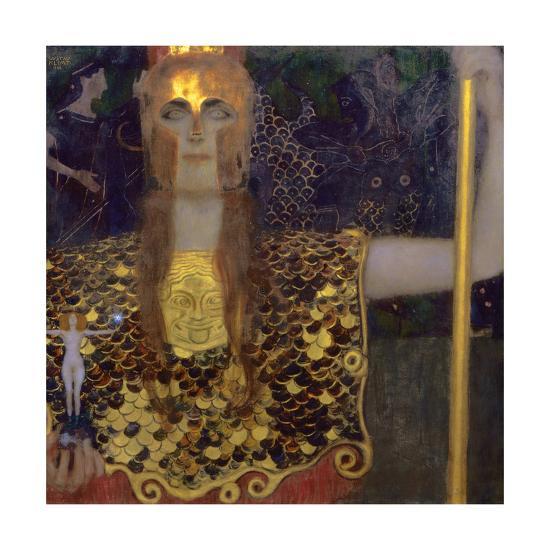
The goddesses of life are also known as the universal womb who essentially birth, feed, teach, care for, and guard all living things. They are the protectors, warriors, law makers, etc. In mythology they, “…are depictions of the Goddess as Great Mother…the ground from which we derive sustenance and the creator of all life upon it” (Leonard 114). They are the creators of life and the protectors of their children. Seen on the left, Athena is a great representation of the goddess of life because she is a protector however, she was not born but was released out of Zeus’ head fully grown as a female goddess. She is considered to be a strong and ruthless warrior.
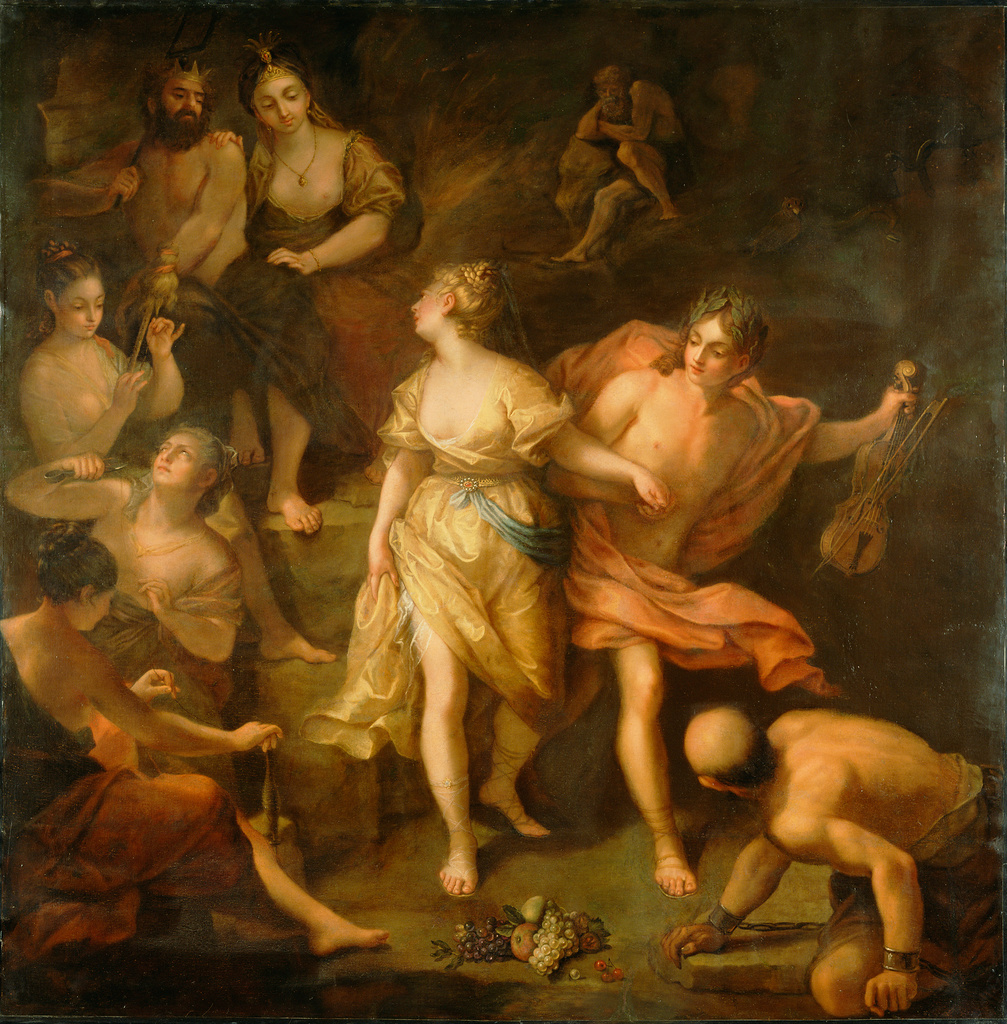
The goddesses of death are also known as the goddesses of the underworld. They appear in mythology as witches, mediums, and old wise women. They are the monitors and operators of humans fates. They are usually seen in Greek mythology as having three heads or creating creatures with three heads like horses, dogs, and snakes. A great example of the goddesses of death are Zeus’ three daughter – The Moirai: First: Clotho, who is the spinner or creator of ones life. Second, Lachesis, who is the measurer of the thread or the Moirai who determines how long one lives. Third, Atropos, who cuts the thread or the one who ends the persons life. These three woman controlled humans lives and send souls to the Underworld. An easy way to understand the Moirai would be to watch Disney’s Hercules because they play a large role in the film and shows what they do.

The goddesses of regeneration are the goddesses of love, sexual desire, and beauty. In mythology, they usually appear as virgins and nymphs. In Myth & Knowing: An Introduction to World Mythology, it states that goddesses of regeneration have, “Their pulsing sexual energies [that] impel mortal creation to renew itself, and thus their influence redeems individual morality through beauty, passion, and offspring” (Leonard 121). A great example of the goddess of regeneration is Aphrodite, the goddess of love. She is seen in Sandro Botticelli’s painting “The Birth of Venus” as the true female divine and goddess of love and beauty.
The Female Divine in Ovid’s Metamorphoses
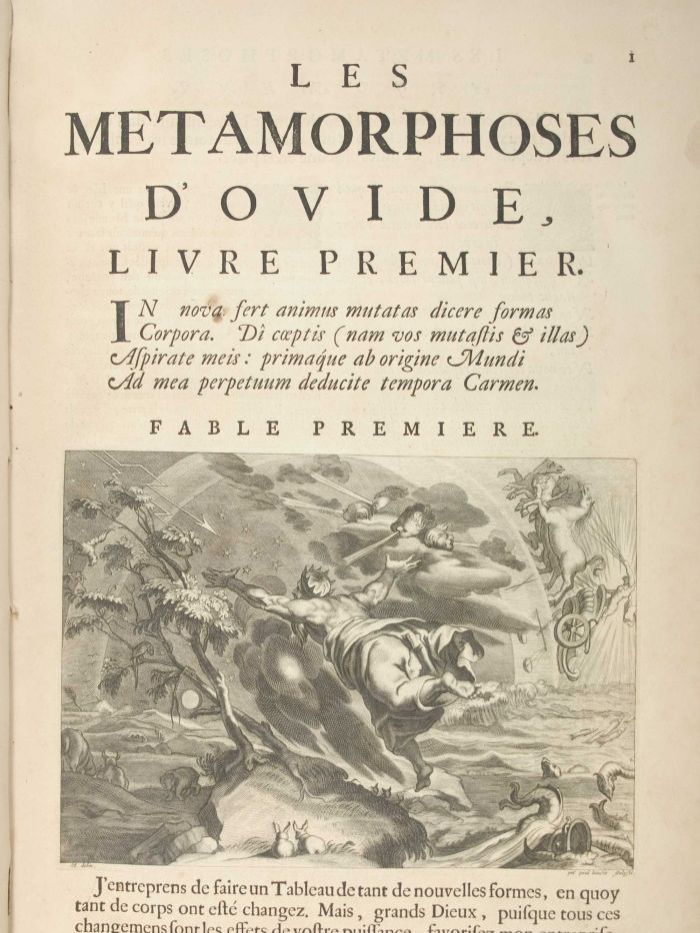
Ovid was a Roman Poet who wrote very gender political books which were considered to be very controversial. Specifically, Metamorphoses was considered to be a very controversial piece of work but, is Ovid’s most popular book. In the book, he depicts gods and rulers as shameless and feeling no guilt when committing adultery, rape, lying, etc. He depicts the female divine through many myths however, the tale of Callisto and Arcas shows many different representation of the female divine throughout the myth. The tale itself has many different versions of the story but I will be summarizing the Roman myth version of the tale.
“Whom can a girl fight and win? Who can fight against Jove and win?”
– Ovid’s Metamorphoses: Book II – Callisto
The Myth of Callisto and Arcas
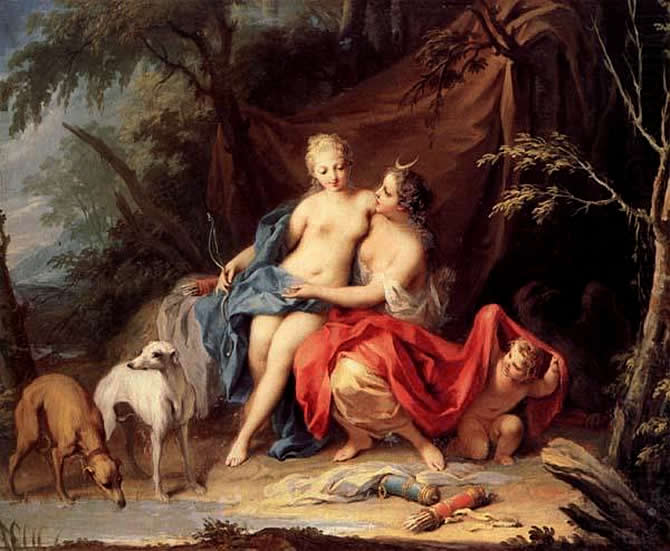
Characters:
- Jove or Zeus: the god of sky, lightning, and thunder.
- Diana or Artemis: the goddess of the hunt, the moon, and chastity.
- Juno or Hera: the goddess of marriage and birth; Zeus’ sister and jealous wife.
- Callisto: virgin nymph living in Arcadia; daughter of Lycaon.
- Arcas: Callisto and Zeus’ son
Summary:
The myth tells the story of Callisto, a young virgin nymph, who is a part of Diana’s group of virgin nymph warriors. Jove saw her one day in Arcadia and describes her as a very beautiful being. He wants to sleep with her, so he morphs himself into Diana to trick Callisto. He approaches her and kisses her on the lips as a greeting and Callisto is completely surprised to see such an act by her leader. After Jove seduces Callisto to sleep with him in the form of Diana, he leaves. As time passed, Callisto learns that she is pregnant and realizes it is actually Jove who had tricked her into lying with him. As her stomach grew larger each month, Callisto wore large loose garments of clothing so that her belly would not show. One summers day, Diana found a small lake and told her nymphs to remove their clothes and swim; She promised no man would spot them. As all the woman undressed and entered the water, Callisto stood not knowing what to do. When Diana questioned her as to why she did not want to swim, Callisto tried to make excuses but was forcefully stripped down to reveal her belly. When Diana saw Callisto’s belly she banished her from the group of nymph warriors because she had broken her chastity. Once Juno heard of Callisto’s pregnancy with Jove’s child, she turned Callisto into a bear and left her alone in the woods. There, Callisto gave birth to her human baby boy, Arcas, who was found and raised in the city. As years passed, Arcas grew older and wandered into the forest and saw his mother as a bear, and not knowing, raised his bow and arrow to kill her. Before he could act, Jove saw this and turned both Callisto and Arcas into the constellations, Ursa Major and Ursa Minor, also known as the Big Dipper to us now.
The Female Divine in the Myth of Callisto and Arcas
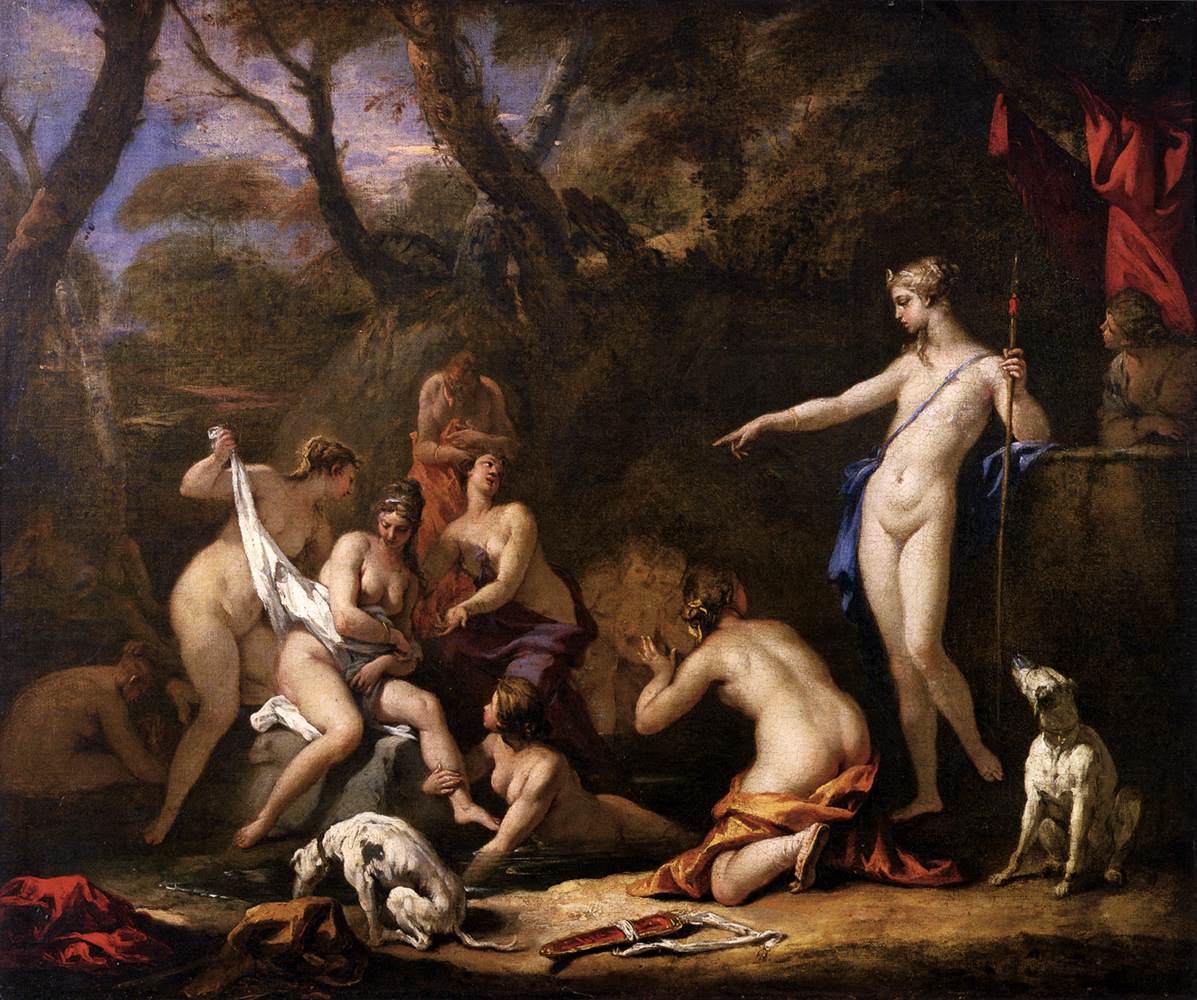
First, Diana is seen as one of the female divines in the myth because she represents the goddess of life and regeneration. She is seen as a warrior, a hunter, a mother, and a protector of chastity. Second, Juno is seen as the goddess of life because she is the goddess of marriage and childbirth. She is shown as the villain in the myth because she curses Callisto by turning her into a bear. She is a jealous and vengeful character in this myth. Lastly, Callisto is seen as a goddess of regeneration; even though she is not a deity, she still represents regeneration because she is a symbol of the virgin nymph and shows this through the power of love. The female divine is identified in a very cruel form in this myth because all the women/goddesses are ruthless. Even though Callisto was raped, Diana still banishes her without listening to her story and Juno jealously transforms her into a bear to be left afraid and alone for many years in the woods. While Jove acted against this sanctity to fulfill his desires, he walks away and did not care to intervene or help Callisto because Juno would rain hell on him.
Teaching the Female Divine
Attached is a group presentation that I did with six other student on teaching mythology specifically, the female divine. I worked on Week 2 of the schedule from slides 6-12. There, I explained the female divine, goddesses of life, death, and regeneration, Ovid’s Metamorphoses, and Callisto and Arcas. However, this whole page that you just read over is a much more detailed explanation then what is written on the slides. The slides are much more interactive with activities, discussions, videos, and source quoting. This mythology page goes much more in detail with each slide and includes more information on each slide then what is actually in the powerpoint. The whole presentation consists of six weeks of coursework and ways of teaching the female divine that branches out away from just mythology and history and connects to present day female divine and pop culture.
 anig321drive.car.blog
testing
LikeLike